Tracing Vintage Probability Records to Contemporary Player Incentives Across Regulated European Platforms
Written by Amir Werner · Oct 26, 2026
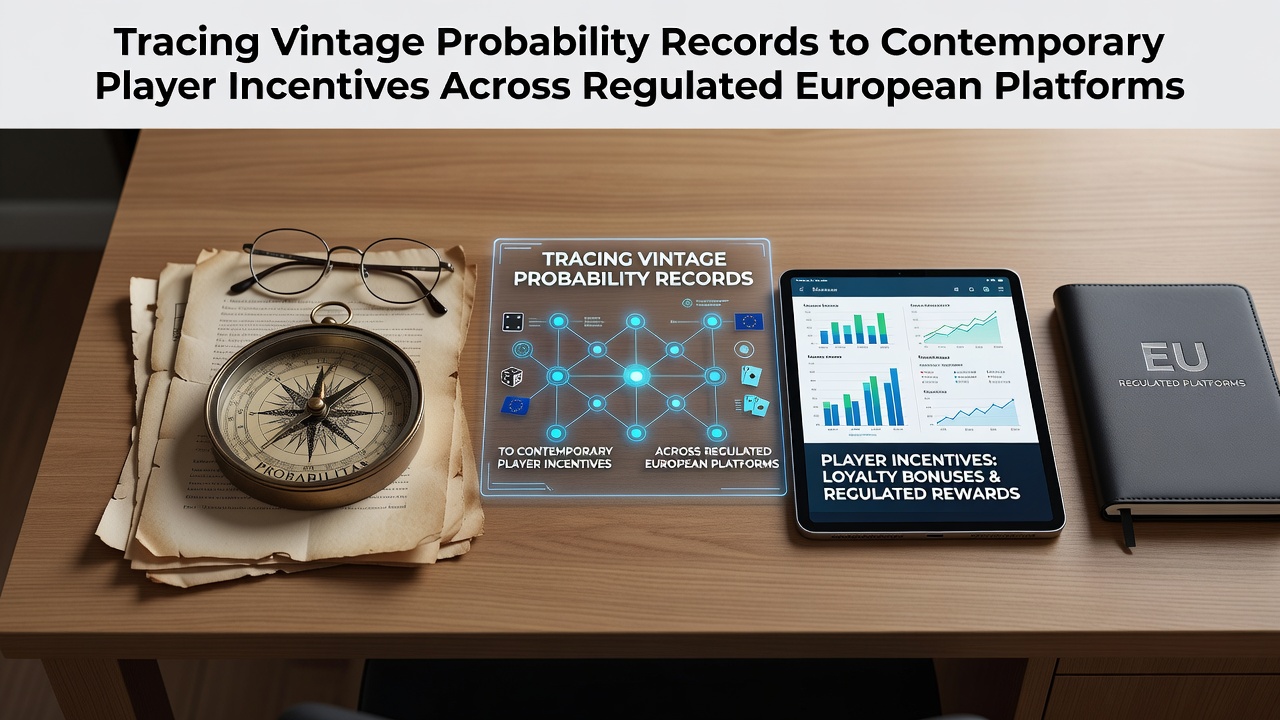
Tracing Vintage Probability Records to Contemporary Player Incentives Across Regulated European Platforms
Archival records from 17th-century correspondence between mathematicians contain detailed calculations on chance and expected outcomes that later informed structured betting environments, and these same foundational equations continue to shape how operators calculate reward distributions on regulated European platforms today. Data compiled from early gambling ledgers shows that house edges were derived through repeated trial documentation rather than abstract theory alone, while contemporary systems apply those same ratios when determining bonus eligibility and payout percentages. Observers note that platforms in jurisdictions such as Malta and Sweden reference historical probability tables when setting parameters for loyalty programs and deposit-match offers, ensuring compliance with transparency requirements established by local authorities.
Early Documentation Practices and Their Migration to Digital Systems
Manuscripts preserved in European university collections reveal systematic recording of win-loss sequences across card and dice games, and analysts have traced how these logs supplied the raw data for later statistical models used in casino operations. By the 19th century, printed probability charts appeared in gaming manuals distributed across continental Europe, yet the core methods remained consistent with earlier handwritten notes. Regulated operators in October 2026 continue to draw upon digitized versions of these charts when programming random number generators and when structuring cashback tiers, because licensing frameworks require verifiable alignment between stated return-to-player figures and underlying mathematical expectations.
Regulatory Frameworks Connecting Historical Data to Current Incentives
European directives on remote gambling emphasize verifiable fairness metrics, which means licensing bodies examine whether bonus structures reflect documented probability outcomes from legacy sources. The Malta Gaming Authority publishes guidelines that reference long-established variance calculations when approving promotional mechanics, and similar language appears in documentation from the Swedish Gambling Authority. Those who've examined cross-border compliance reports find that operators must demonstrate how incentive programs avoid distorting the mathematical foundation established centuries earlier, a requirement that forces platforms to publish detailed payout tables derived from archival probability records rather than proprietary adjustments alone.
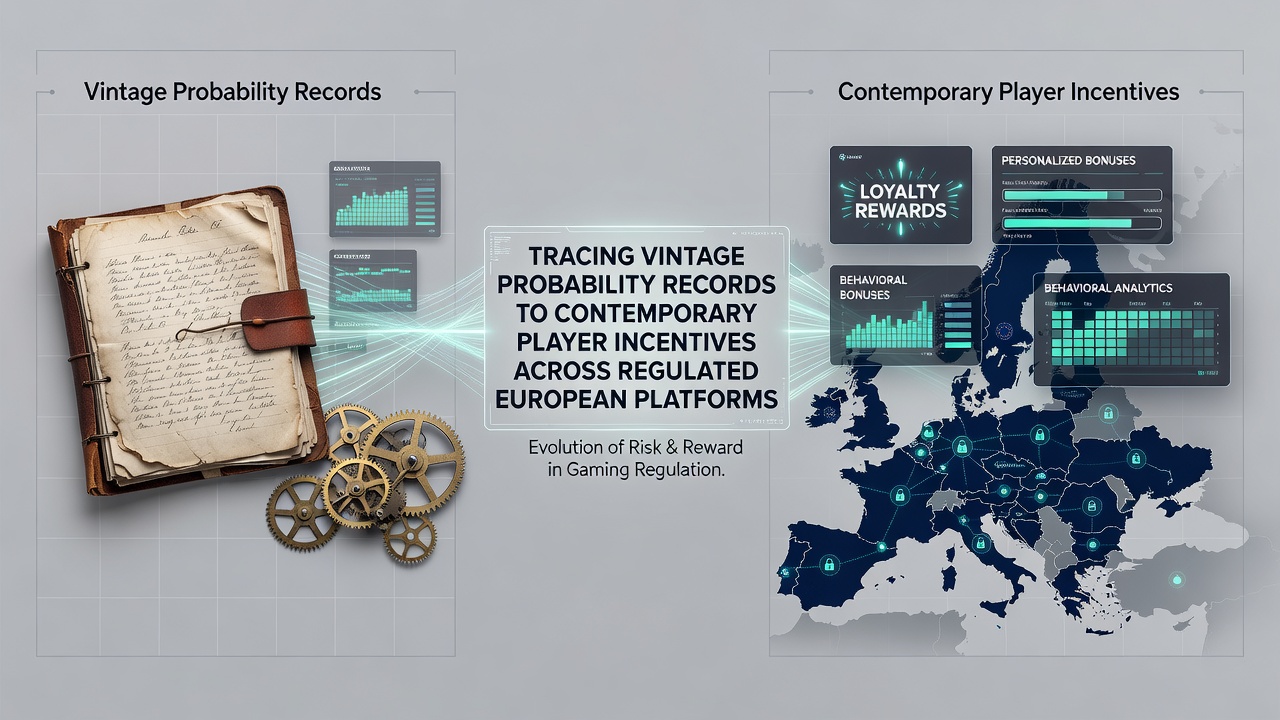
Research institutions across the continent have produced studies mapping these connections, including work coordinated through networks that link 18th-century probability archives with present-day player reward algorithms. One such analysis released by scholars at the University of Amsterdam examined how variance formulas first outlined in correspondence between early probabilists now determine the frequency and value of free-spin allocations on licensed sites. Platforms that adjust incentive levels according to these formulas maintain approval from multiple regulators, whereas deviations trigger review processes that can delay product launches until recalibration occurs.
Implementation Patterns Across Jurisdictions in 2026
By October 2026 several major operators had updated their loyalty schemes to display explicit links between historical probability benchmarks and current reward multipliers, responding to consumer-protection updates issued by the European Commission. Figures released through industry associations indicate that average bonus conversion rates on compliant platforms track within narrow bands predicted by those older models, and deviations prompt automatic audits. German and Italian regulators, operating under distinct national statutes, require operators to submit probability documentation alongside marketing plans, ensuring that incentive structures do not exceed thresholds derived from centuries-old empirical records. Those monitoring the sector observe that this documentation trail reduces disputes because players receive clear statements on expected value rather than promotional language alone.
Technical Integration of Archival Formulas in Modern Platforms
Software providers integrate legacy probability tables into backend systems through standardized APIs, allowing real-time verification that bonus triggers align with documented odds. This integration permits operators to offer tiered rewards where higher loyalty levels correspond to adjusted volatility settings that still respect the original mathematical limits. Data from platform audits conducted in multiple member states shows consistent application of these constraints, with quarterly reports submitted to oversight bodies confirming that incentive allocations remain tethered to verified historical baselines rather than arbitrary marketing targets.
Conclusion
Records originating in early probability studies continue to supply the quantitative backbone for incentive design on regulated European platforms, and licensing requirements in 2026 reinforce that continuity through mandatory disclosure and audit procedures. Cross-jurisdictional cooperation among authorities ensures that operators maintain alignment between archival data and contemporary reward mechanics, producing transparent environments where players encounter incentive structures grounded in documented expectations rather than unverified claims.